
Zero-trust fails if adversaries walk through the front door. We audit your physical security to protect high-value IP.
You can spend millions of dollars deploying zero-trust network architectures, hardware MFA tokens, and advanced endpoint detection. But none of that matters if an adversary can simply walk through your front door and plug a $50 device directly into your network.
Recent reports detailing operational security (OPSEC) warnings at major frontier AI labs, including OpenAI, highlight a massive gap in how modern tech companies view threat models. Organizations are building state-of-the-art defenses to stop digital intrusions, while leaving their physical perimeters vulnerable to basic espionage. Foreign adversaries and corporate spies don’t waste zero-day exploits when physical access is wide open. They take the path of least resistance.
Here are the three most common low-tech bypasses used to steal high-value IP, how we audit for them at Calibre Security Group, and how you can lock them down.
3 Ways Adversaries Bypass Your Perimeter
1. The Conference Room Hardware Implant
The most overlooked vulnerability in a modern office isn't a server rack; it's guest conference room.
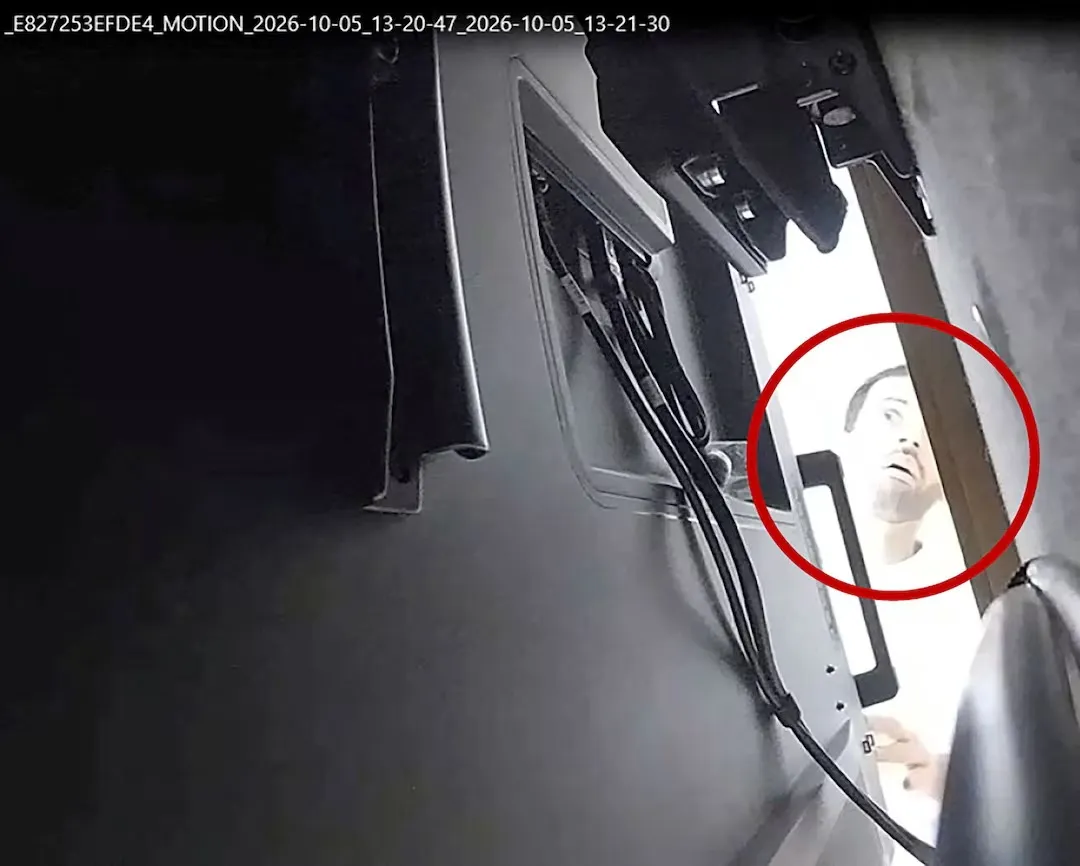
During an intrusion, an adversary simply needs to find an unlocked meeting room and locate an RJ-45 (commonly known as ethernet port) wall drop, usually hidden behind the display, or near the conferencing hardware. Instead of encountering strict port-level authentication, the port often assigns an IP address on an internal subnet. The attacker plugs in a cellular-enabled device (like a Raspberry Pi or a smaller esp32 based device), securing persistent, remote digital access that completely bypasses external firewalls.
2. The Coffee Holding Tailgate
Advanced cloud-managed badge readers and biometric readers (fingerprint, etc) are useless against human nature. The easiest way into a restricted facility is to hold two cups of coffee and look like you belong there. Employees are conditioned to be polite and hold doors open. A well-dressed social engineer can easily bypass a $10,000 physical access control system simply by riding the coattails of an authorized employee returning from lunch.
3. Human Intelligence (HUMINT) & Off-Site Social Engineering
When physical perimeters are actually locked down, adversaries pivot to the employees themselves. High-value targets, such as lead engineers, researchers, and executives are routinely targeted outside the office. This happens at industry conferences, local happy hours, or via sophisticated honeytraps. The goal is to coerce, manipulate, or trick employees into inadvertently leaking confidential project details, credentials, or internal company structures.
How Calibre Security Group Audits Your Facility
At Calibre Security Group, we don’t do compliance checklist audits. Passing a SOC 2 or ISO 27001 audit just proves your doors have locks. We emulate what adversaries would do to find out if those controls you have actually work under pressure.
Our physical penetration testing methodology is designed to stress-test your hardware, your network boundaries, and your people:
- Covert Infiltration: We attempt to breach your facility using the exact techniques malicious actors use. We test for tailgating vulnerabilities, bypass mechanical door hardware (using under-door tools or latch slipping), and attempt to clone employee badges using concealed RFID/NFC skimming tools.
- Physical-to-Cyber Pivoting: Once inside, we don't just take a picture and leave. We locate unmonitored network jacks, unsecured telecom closets (IDFs), and exposed patch panels to see if we can establish a digital foothold from the inside.
- Human OPSEC Testing: We assess how your staff responds to unauthorized visitors. We test whether receptionists enforce guest badge policies, whether employees challenge unescorted strangers in restricted zones, and whether security teams detect our anomalies.
How to Prevent Physical Espionage
Securing your facility requires closing the gap between physical mechanics and logical policies. If you are building high-value IP, implement these three controls immediately:
- Enforce 802.1X Port Authentication: Treat every wall port in your building as if it were in a public coffee shop. Implement strict 802.1X authentication so that if a rogue device is plugged in, the port shuts down or isolates the device to a dead-end VLAN.
- Upgrade Legacy Credentials: If your team is still using 125 kHz Proximity cards or unencrypted MIFARE Classic badges, your access control system can be defeated by a $40 cloning tool. Upgrade to high-frequency, cryptographically secure credentials (like DESFire EV3 or mobile PKI credentials).
- Train for Physical OPSEC: Security awareness training needs to go beyond email phishing. Train your team to aggressively challenge tailgaters: "I need to see you badge in", recognize social engineering outside the office, and report unescorted guests. Give them the explicit authority to be "impolite" in the name of security.
Physical access is still the ultimate cybersecurity privilege. Before an adversary finds the blind spots in your current setup, you need an independent set of eyes to find them first.
Need to know where your physical vulnerabilities are before an incident forces the review?